
When most residents think about the Hoke County School Board, they may picture board members sitting together during a public meeting, listening to presentations, discussing agenda items and voting on recommendations that have been placed before them, but the responsibilities associated with governing a public school system extend much further than what residents see during those meetings. The Hoke County Board of Education serves an important governance role within Hoke County Schools, and the decisions made through that process can ultimately influence classrooms, employees, transportation, facilities, educational opportunities and the long-term direction of public education throughout the county. Understanding what the School Board does is therefore important not only for parents with children currently attending Hoke County Schools, but also for taxpayers, employers, community organizations and residents who recognize that the quality of a local education system can influence the future strength of an entire community.
One of the most important areas connected with School Board governance is the Hoke County Schools budget, because nearly every educational priority eventually requires financial resources to become a reality. Hoke County Schools maintains a Finance Department whose primary goal is to support and maximize the efficiency of financial functions throughout the district while working cooperatively with individual schools, and the district also makes budget information available to the public. School finances involve far more than purchasing textbooks or paying classroom expenses because district resources must support salaries, instructional programs, technology, transportation, maintenance, student services, utilities, professional development and numerous other operational responsibilities. When financial priorities are established, the larger challenge involves balancing immediate educational needs with long-term responsibilities while making decisions that support students and demonstrate responsible stewardship of public resources.
School policies represent another area where the work of the Hoke County Board of Education can reach directly into schools and classrooms because policies establish expectations and procedures that help a large public organization operate consistently. Hoke County Schools maintains a Board Policy Manual, while individual district departments also operate under policies and procedures covering areas ranging from employee conduct to school visitors and volunteers. Policies may sometimes appear to be administrative documents that have little connection with everyday life, but they can influence how schools address safety, student behavior, employees, visitors, facilities, technology, communications and many other situations that arise throughout an academic year. Effective policies can provide consistency across the district while giving administrators and employees a framework for making decisions fairly and responsibly.

The condition and future development of Hoke County school facilities also represent important considerations because students and teachers need environments that are safe, functional and capable of supporting modern education. Hoke County Schools states that its Maintenance Department supports the construction of new facilities while performing repairs, updates and thousands of service requests during the school year, demonstrating the considerable amount of work required simply to maintain a public school system’s physical infrastructure. Facilities planning can include classrooms, athletic areas, cafeterias, technology infrastructure, heating and cooling systems, parking areas, playgrounds, accessibility improvements and numerous other components that residents may not think about until repairs or additional capacity become necessary. As communities change over time, long-term facilities planning becomes increasingly important because today’s decisions can determine whether tomorrow’s students have appropriate spaces in which to learn.
School facilities also have a connection to the community beyond the regular instructional day because Hoke County Schools makes certain public school facilities available for educational, recreational, cultural and civic activities under established procedures. This community use demonstrates why school property should be viewed as a significant public investment rather than simply as buildings that operate during classroom hours. Decisions involving maintenance, renovation and future construction can consequently affect students while also influencing athletic programs, extracurricular activities and community organizations that may utilize school facilities. Protecting those investments while anticipating future needs requires careful planning because buildings constructed or renovated today may serve Hoke County families for decades.
Personnel represents another major component of a successful school district because even the best facilities and instructional resources cannot replace qualified educators and dedicated employees who work directly with students. Hoke County Schools includes departments and professionals responsible for curriculum and instruction, exceptional children, career and technical education, student support services, finance, human resources, technology, maintenance, transportation and many other areas necessary to operate the district. Board-level personnel responsibilities must be understood within the appropriate governance structure, because a School Board does not individually supervise every teacher, bus driver, custodian or school employee on a daily basis, but its policies, approved priorities and decisions can help establish the organizational environment in which district administrators manage personnel. Supporting strong leadership, professional development, employee retention and effective staffing therefore becomes connected to the larger goal of providing students with consistent educational opportunities.
Perhaps no responsibility is more closely associated with public education than curriculum and student achievement, although the School Board’s role should not be confused with teachers making individual instructional decisions inside their classrooms. Hoke County Schools maintains dedicated areas for Curriculum and Instruction, Career and Technical Education, Exceptional Children, Academically and Intellectually Gifted programs, Digital Teaching and Learning, Federal Programs, Pre-Kindergarten, Testing and Accountability and other educational services. The Board’s broader governance role can influence priorities, policies and allocation of resources that allow educators to deliver these programs effectively while district professionals and school administrators handle the specialized instructional work required to serve students.
Curriculum priorities are particularly important because preparing a student for the future requires more than helping that student advance from one grade level to another. Modern public education must consider academic achievement, career preparation, technology, specialized student needs, advanced learning opportunities and the different pathways students may pursue after graduation, whether those pathways lead to a university, community college, technical training, military service or the workforce. Hoke County Schools is entering a new strategic period through its 2026–2031 Strategic Plan, giving district leadership an opportunity to connect classroom priorities with a longer-range vision for student success. The significance of strategic planning is that it encourages educational leaders to consider not only what students need today, but also what knowledge, skills and opportunities they will require several years from now.
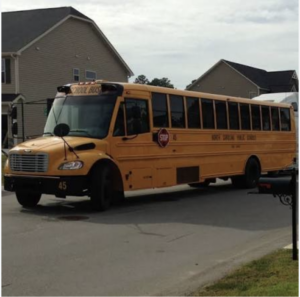
Another responsibility that directly affects thousands of families is Hoke County school transportation, an operation that is easy to overlook until a bus is delayed, a route changes or a family needs assistance getting a student to school. The Hoke County Schools Transportation Department states that its mission is to provide safe, reliable and efficient transportation, and the department reports operating 86 regular-route buses, 15 spare buses, 17 activity buses and nine service vehicles. Those numbers demonstrate the scale of an operation that must coordinate students, drivers, routes, maintenance, fuel, safety requirements, extracurricular transportation and changing family needs throughout the school year. Decisions involving transportation resources can consequently influence attendance, extracurricular participation, family schedules and the ability of students to arrive at school prepared to learn.
Long-term planning brings these different responsibilities together because budgeting, facilities, employees, curriculum and transportation cannot be treated as completely separate issues when each can influence the others. Population changes can create additional transportation demands, changing enrollment can affect facilities planning, new instructional programs can require technology investments, staffing challenges can influence budgets, and changing career opportunities can affect decisions concerning academic and technical programs. Effective School Board governance therefore requires looking beyond a single meeting or school year and considering how decisions made today can affect Hoke County Schools several years into the future.
Public involvement is another important part of that process because residents have opportunities to follow the decisions being made on behalf of their school system. Hoke County Schools publishes current and previous Board meeting agendas and minutes, and Board meetings can also be viewed through livestreaming and recordings. Unless otherwise noted, regular Hoke County Board of Education meetings are held on the second Tuesday of each month at 6 p.m. at the Board of Education office at 310 Wooley Street in Raeford, with a public-comment period available under established procedures. These opportunities give parents and community members a way to become more informed about issues before the Board rather than relying exclusively on secondhand information or social media discussions.
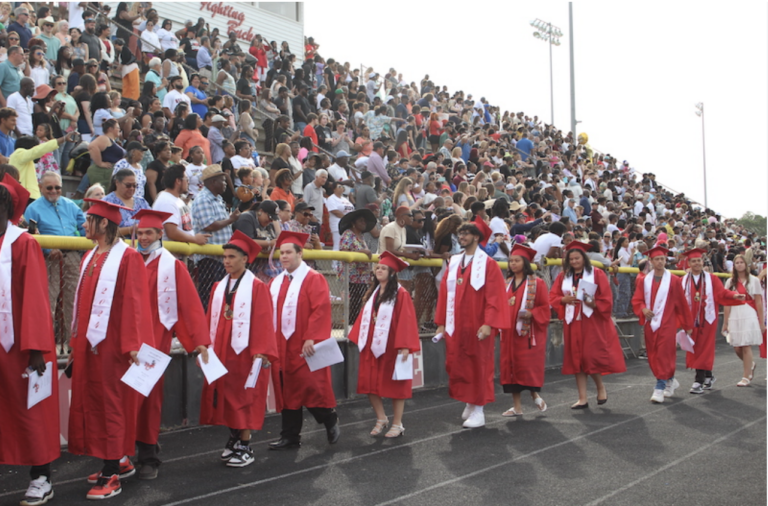
Ultimately, the Hoke County School Board affects more than Hoke County Schools, because a strong public education system contributes to the long-term strength of the community it serves. Students who receive meaningful educational opportunities eventually become employees, entrepreneurs, military service members, healthcare professionals, educators, tradespeople, homeowners, taxpayers and community leaders, which means investments in education can produce benefits extending far beyond school property. Decisions involving budgets, policies, personnel, facilities, curriculum, transportation and long-term planning may appear separate when discussed individually, but together they help shape the educational environment experienced by Hoke County students and families. Understanding those responsibilities gives residents a clearer picture of why School Board decisions matter, why public participation remains valuable and why the future of Hoke County education should remain an important community conversation as Hoke County Schools prepares today’s students for the opportunities and challenges of tomorrow.
About The Author