
As students, teachers and families begin the 2026–2027 school year, the Hoke County Board of Education enters another important period of leadership for a school system responsible for preparing young people for college, careers and life beyond the classroom. Decisions made by a local school board extend far beyond monthly meetings because board leadership influences policies, financial priorities, educational opportunities, facilities, staffing and the long-term direction of public education throughout Hoke County. The district’s newly published 2026–2031 Strategic Plan establishes a vision in which every Hoke County student graduates prepared for college, career and life while developing the integrity, compassion and perseverance necessary to make meaningful contributions within an increasingly connected world.

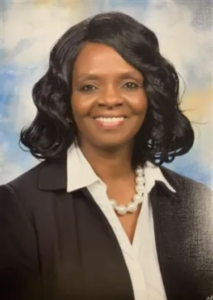
The current Hoke County Board of Education consists of five members who collectively provide governance and oversight for the school district, with Ruben Castellon serving as Board Chair, Angela Southerland serving as Board Vice-Chair, and Catherine Blue, Jessica Brown and Rosa McAllister-McRae serving as Board Members. These five leaders are identified by Hoke County Schools as the current members of the Board of Education, placing them in positions that carry significant responsibility as the district moves through the 2026–2027 academic year and begins implementing a new five-year strategic direction. The board’s work is particularly important because public education touches nearly every part of community life, including workforce development, economic opportunity, family stability and the ability of Hoke County to prepare its next generation of residents and leaders.
The purpose of the Hoke County Board of Education during 2026–2027 should also be understood within the larger mission established by Hoke County Schools, rather than simply as a collection of individual initiatives or decisions made during monthly meetings. Under the district’s 2026–2031 Strategic Plan, Hoke County Schools states that its mission is to provide students with a safe, nurturing and innovative learning environment in which students can reach their full potential through high expectations, access for all students and strong partnerships involving families and the community. The plan also emphasizes rigorous individualized instruction, highly qualified teachers, continuous improvement, data-driven decision-making, family and community partnerships, innovative instructional approaches, transparency, accountability and trust, creating a framework that can guide district leadership throughout the new school year.
One of the most significant priorities for the Hoke County School Board and Hoke County Schools in 2026–2027 is increasing student achievement while making sure educational growth reaches students throughout the district. The strategic plan calls for increasing achievement and growth across student subgroups, strengthening instructional practices through data-informed decisions and ensuring access to high-quality and engaging instruction. These priorities are important because educational success cannot be measured solely by the accomplishments of the highest-performing students, but must also consider whether students who need additional academic assistance are receiving meaningful opportunities to improve. By establishing consistent data practices and using information about student performance to guide instruction, the district can identify academic challenges earlier and respond with strategies designed to help students make measurable progress.
Supporting students who require additional assistance represents another important component of the district’s direction because the strategic plan specifically calls for strengthening Multi-Tiered Systems of Support, commonly known as MTSS, as well as targeted interventions that can provide timely assistance. A strong school system must recognize that students enter classrooms with different strengths, experiences and educational needs, which means effective instruction requires both high expectations and appropriate support. The board’s oversight role becomes particularly meaningful as district leaders evaluate whether programs, staffing decisions, instructional resources and interventions are producing results that help students succeed academically while also creating a learning environment where children have opportunities to reach their individual potential.

Teachers, administrators and school employees are equally important to the success of Hoke County Schools, which makes leadership development and employee retention important areas during the 2026–2027 school year. The new strategic plan calls for strengthening leadership development and professional learning while improving staff retention by addressing turnover in critical positions, demonstrating that student achievement and workforce stability are closely connected. Recruiting talented educators is only part of the challenge facing public school districts because keeping effective teachers, administrators and support employees requires an environment in which professionals have opportunities to grow, receive meaningful support and understand how their work contributes to districtwide goals. During 2026–2027, attention to employee development and retention can therefore become an important part of creating consistency for students and families across Hoke County.
Another major purpose reflected in the district’s strategic direction involves expanding educational opportunities beyond traditional classroom instruction so students can better understand the possibilities available after graduation. Hoke County Schools has identified expanding access to advanced coursework, enrichment opportunities and career pathways as a strategic priority, while also seeking to improve student and family understanding of academic and career options. This direction can be particularly valuable in a community where students may pursue many different futures, including universities, community colleges, technical education, military service, apprenticeships and direct entry into the workforce, because preparing students for success should include helping them discover pathways that align with their talents, interests and long-term goals.

Family and community engagement will also play an important role in the direction of Hoke County Schools during 2026–2027, especially because the district’s strategic plan specifically calls for clearer two-way communication between schools and families, increased family participation in student learning and expanded community partnerships. Schools cannot operate successfully as isolated institutions because education becomes stronger when parents, educators, businesses, nonprofit organizations and community leaders understand how they can contribute to student success. Expanding partnerships can also provide students with enrichment experiences, career awareness and connections to opportunities that demonstrate how classroom learning relates to life beyond graduation.
Transparency and public participation remain important parts of the relationship between the Hoke County Board of Education and the community it serves, particularly when decisions involve taxpayer resources, student programs, policies and the future direction of local schools. Hoke County Schools currently states that regular Board of Education meetings are generally held on the second Tuesday of each month at 6 p.m. at the Board of Education office at 310 Wooley Street in Raeford, unless otherwise noted, and members of the public are provided an opportunity to participate in the public-comment portion of regularly scheduled meetings under established procedures. The district also makes current and past meeting agendas and minutes available, providing residents with ways to follow board discussions and decisions even when they cannot attend meetings personally.
The beginning of the 2026–2027 school year is especially significant because Hoke County Schools is moving from its previous strategic planning period into the 2026–2031 Strategic Plan, establishing priorities that extend well beyond a single academic year. The plan identifies family and community engagement, leadership and improvement, deeper academic engagement, accelerated growth and advanced access among the district’s major areas of emphasis, while reinforcing expectations for accountability and continuous improvement. The decisions made during this first year of the new strategic period can therefore help establish the foundation for how these goals are translated from written priorities into classroom practices, student opportunities and measurable results.

Ultimately, the purpose of the Hoke County Board of Education for the 2026–2027 school year reaches beyond conducting meetings or approving individual agenda items because the larger responsibility involves helping provide governance and direction for a school system entrusted with preparing Hoke County’s children for their futures. Board Chair Ruben Castellon, Vice-Chair Angela Southerland and Board Members Catherine Blue, Jessica Brown and Rosa McAllister-McRae serve at a time when the district is beginning a new strategic chapter focused on academic achievement, equitable educational access, stronger instructional practices, employee development, family involvement, community partnerships and expanded opportunities for students. As the school year progresses, Hoke County residents can play an important role by remaining informed, following School Board meetings, celebrating student and educator accomplishments and understanding the decisions that will influence public education throughout the community for years to come.
About The Author