
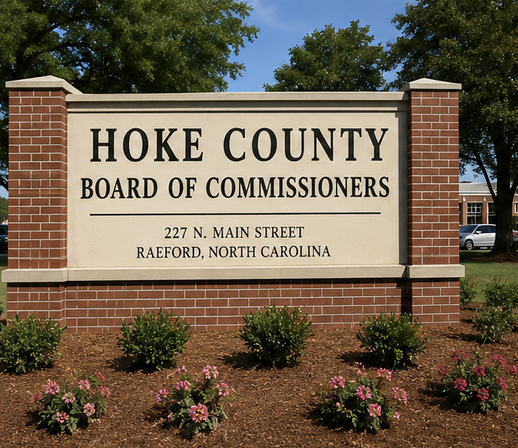
For many residents, county government can sometimes seem like something that operates quietly in the background, but the decisions made by the Hoke County Board of Commissioners can influence nearly every part of daily life, from the services families depend upon and the infrastructure supporting growing neighborhoods to economic development, public safety, recreation, county facilities and the way local tax dollars are allocated. Understanding what the commissioners do is therefore more than an exercise in learning about government, because it gives Hoke County residents a clearer picture of who makes important county-level decisions, how those decisions are made and how citizens can remain informed about issues that may affect their families, businesses, property and communities for years to come.
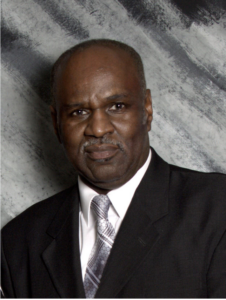
The Hoke County Board of Commissioners serves as the county’s primary governing body, with commissioners responsible for establishing policies, adopting the county budget and making decisions concerning the operation and long-term direction of Hoke County government. Although commissioners do not personally manage every county department or handle the daily responsibilities of county employees, they help establish the priorities that guide county government while working with the county manager, department leaders and other officials to ensure that services are provided to residents. This distinction is important because commissioners establish policy and make major governing decisions, while the county manager and administrative staff generally carry out those policies and oversee the daily operations necessary to keep county government functioning effectively.
One of the most significant responsibilities of the Hoke County Board of Commissioners involves the county budget, because the annual budget determines how available public resources will be distributed among competing community needs. Public safety, emergency services, county facilities, social services, recreation, administration, economic development and numerous other responsibilities require funding, which means commissioners must evaluate priorities while considering both current needs and the county’s long-term financial position. Budget decisions can ultimately influence the services residents receive, the ability of departments to respond to increasing demand and the county’s capacity to invest in infrastructure and facilities as Hoke County continues to develop.
Growth and development represent another important area in which county government decisions can have lasting consequences, particularly as new homes, subdivisions and commercial projects create opportunities while also placing additional demands on infrastructure and public services. Development can increase the local tax base, attract businesses and create additional economic activity, but rapid growth can also increase pressure on roads, water and sewer systems, emergency response, schools and other community resources, making thoughtful long-range planning increasingly important. Through planning policies, zoning matters, infrastructure discussions and other governmental responsibilities, county leaders must continually consider how Hoke County can welcome appropriate investment while protecting existing communities and preparing for future demand.
Economic development is closely connected to those conversations because attracting employers and encouraging business investment can strengthen the local economy while providing residents with additional employment opportunities closer to home. The decisions and priorities established by county leadership can influence the environment in which businesses evaluate Hoke County as a potential location, particularly when companies consider infrastructure, workforce availability, transportation access, development processes and the overall direction of the community. A balanced approach to economic development can also help diversify the county’s tax base so that residential property owners are not expected to carry an unnecessarily large share of the financial responsibility associated with providing services to a growing population.
Public safety and essential county services are another major reason residents should pay attention to the work of the Hoke County Commissioners, because local government helps support numerous functions that residents may not think about until those services are needed. Emergency response, public health, social services, inspections, planning, recreation, tax administration, elections and other county responsibilities require personnel, facilities, equipment and funding, which means decisions made during budget discussions can eventually affect the resources available to serve the community. As population and development increase, county leaders must consider not only what services Hoke County needs today but what level of staffing, facilities and infrastructure may be necessary several years into the future.
The work of county commissioners can also affect property owners and taxpayers because government services must ultimately be supported through available revenues, including property taxes and other funding sources. Commissioners must balance requests for expanded services and infrastructure with the financial impact those decisions could have on residents, making the budget process one of the most important opportunities for citizens to understand the priorities of county government. Residents who take time to review budget documents and follow public discussions can gain a better understanding of where county revenue comes from, where public money is being directed and why certain projects or services may receive greater attention during a particular budget year.
Transparency and public participation are therefore essential parts of effective local government, and Hoke County residents have opportunities to follow the work of the Board of Commissioners rather than waiting until a major decision directly affects their neighborhood or property. Meeting schedules, agendas and approved minutes can help citizens understand the issues being considered, while meeting videos and livestreaming options can make it easier for residents to observe county government even when they cannot attend a meeting in person. Reviewing an agenda before a meeting can be particularly valuable because it allows residents to identify topics that may involve development, spending, contracts, public hearings, county facilities or other matters they consider important.

Public meetings also provide residents with an opportunity to become more engaged in the governmental process, although citizens should review current county procedures when they want to speak or participate because meeting rules and public-comment requirements can change. Residents who have questions or concerns can also contact county officials, communicate with commissioners and follow issues through multiple meetings rather than relying exclusively on social media discussions or secondhand information. An informed community is better positioned to have productive conversations about growth, taxes, services and development because residents can evaluate proposals based upon official information and understand the responsibilities and limitations of county government.
It is equally important for residents to understand that Hoke County government and the City of Raeford are separate governmental entities with different responsibilities, even though the decisions of both can influence the broader community. A resident living within Raeford may receive certain municipal services from the city while also being affected by county government responsibilities, whereas residents living in unincorporated portions of Hoke County may interact more frequently with county departments for particular services and development matters. Knowing which government agency is responsible for an issue can save residents time while helping them direct questions, concerns and requests to the officials who actually have authority over the matter.
Looking toward the future, the responsibilities of the Hoke County Board of Commissioners are likely to become increasingly important as the county considers continued residential development, commercial investment, infrastructure needs and the challenge of maintaining services while managing change. Decisions being discussed today may influence what Hoke County looks like years from now, including where development occurs, what infrastructure is available, what businesses choose to invest locally and how effectively county services respond to a growing population. Those long-term consequences make local government coverage particularly important because many decisions that eventually reshape a community begin with budgets, planning discussions, public hearings and votes that receive relatively little attention when they first occur.
Residents do not have to become experts in county government to make their voices meaningful, because engagement can begin simply by following meeting agendas, watching commissioner meetings, reading official documents and asking questions about decisions that affect the community. Local government works best when citizens understand not only who represents them but also how government operates, where public money is being spent and what plans are being considered for the future. By paying closer attention to the Hoke County Board of Commissioners, residents can become better informed about the decisions shaping Hoke County while helping ensure that conversations about growth, development, services and county priorities include the perspectives of the people who call this community h
About The Author