
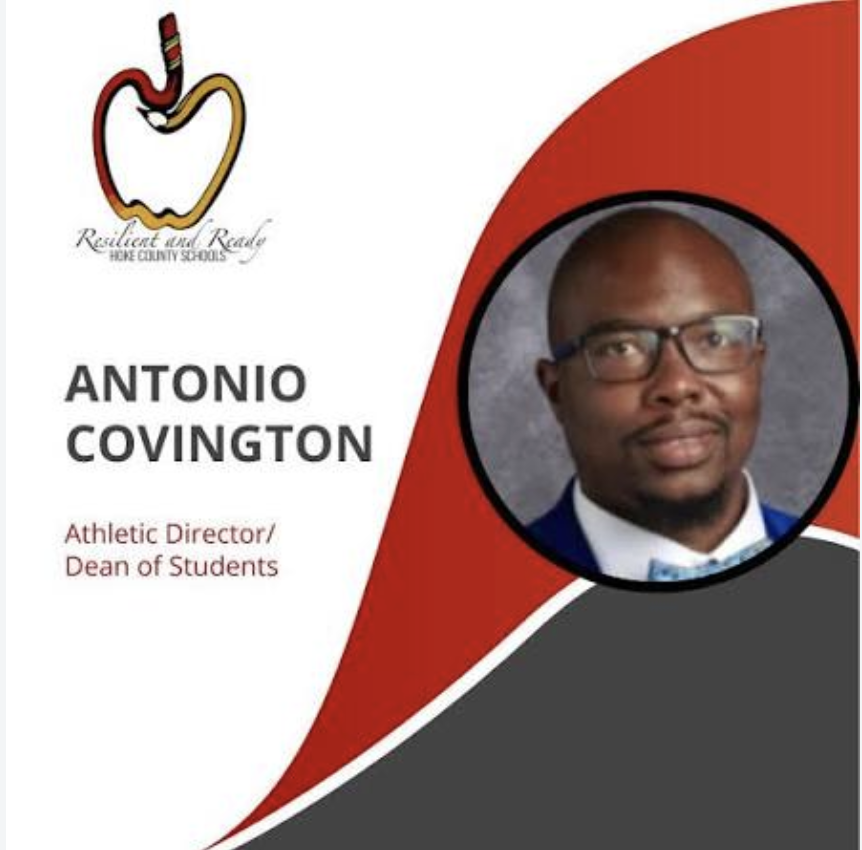
Antonio Covington: Leading Hoke County High School Athletics Beyond the Scoreboard
When people attend a football game, basketball game, volleyball match, soccer match, track meet or another athletic event at Hoke County High School, most of their attention naturally goes toward the student-athletes competing and the coaches directing them from the sidelines, but behind every successful high school athletic department is an enormous amount of organization, preparation and leadership that spectators may never see. At Hoke County High School in Raeford, Athletic Director Antonio Covington has a central role in bringing those different pieces together while helping create opportunities for student-athletes to compete, develop and represent their school with pride. The responsibilities of an athletic director reach considerably further than scheduling games or watching teams compete, because the position requires leadership involving coaches, students, families, school administrators, facilities, budgets, eligibility requirements, safety procedures and the countless logistical details necessary to operate a comprehensive high school athletic program.
For Antonio Covington, serving as Hoke County High School Athletic Director means helping oversee an athletic department that offers opportunities across numerous sports and throughout different seasons of the school year. Each program has its own schedule, coaching staff, athletes, equipment requirements, transportation considerations and facility needs, which means successful coordination requires continuous communication and planning. While spectators generally see the finished product when teams take the field or court, the athletic director is involved with many of the administrative responsibilities that must be addressed long before an official blows a whistle or the first spectators enter the facility.
One of the athletic director’s most important responsibilities involves supporting the coaches who work directly with Hoke County student-athletes. Head coaches provide the daily leadership within individual programs, but the athletic director helps establish expectations across the entire athletic department while serving as an important connection between coaches and school administration. That relationship can involve discussing schedules, facilities, staffing, equipment, professional expectations and concerns that develop during a season, while also helping ensure that each program operates within school district and athletic association requirements. Strong athletic departments depend upon coaches understanding that they are part of something larger than their individual teams, and the athletic director helps establish that broader vision.
The hiring and development of coaches can also influence the direction of Hoke County athletics for years because coaches have an enormous impact on the experiences of student-athletes. The selection of a head coach is about much more than finding someone who understands strategy or has previously won games, because high school coaches also serve as teachers, mentors and representatives of their schools. Athletic leadership therefore must consider whether coaches can communicate effectively with students and families, establish appropriate expectations, support academic achievement and create environments where athletes can develop both competitively and personally.
That leadership responsibility became particularly visible with the selection of Duran McLaurin to lead the Hoke County High School football program in 2026. When discussing McLaurin’s appointment, Covington emphasized qualities involving player development, strategic planning, academics, character and teamwork, demonstrating that the athletic department’s expectations extend beyond simply improving the football team’s record. Bringing an accomplished coach into Hoke County also illustrates how an athletic director can influence the future of a program by helping identify leaders capable of establishing stronger foundations and creating higher expectations for student-athletes.
Another critical part of the athletic director’s role involves ensuring that student-athletes remain students first. High school athletics can provide unforgettable experiences, but participation carries academic and eligibility responsibilities that must be taken seriously. Athletic directors work alongside administrators, coaches and other school personnel to help make certain that athletes satisfy applicable requirements for participation, while coaches can reinforce expectations concerning attendance, classroom performance and personal responsibility. Creating a culture in which academic achievement is valued alongside athletic success can help students understand that their responsibilities extend beyond practices and competition.
The student-athlete experience itself is another important consideration because high school sports can influence young people’s development long after their competitive careers have ended. Athletics provide opportunities for students to learn perseverance, teamwork, leadership, communication, accountability and time management while experiencing both success and disappointment. An athletic director helps create the larger environment in which those experiences occur, which means decisions concerning coaches, scheduling, facilities and expectations can directly influence how students remember their years representing Hoke County High School.
Safety is also an essential component of operating a high school athletic department, particularly because different sports present different physical demands and potential risks. Athletic administrators must work with coaches, trainers and school officials to help ensure that established safety procedures are followed, facilities are appropriate for competition and athletes have access to the resources required when injuries or emergencies occur. Weather can become another significant consideration for outdoor athletics, requiring decisions involving heat, lightning, storms and other conditions that can affect whether practices or competitions should proceed.
Scheduling represents another responsibility that appears relatively simple until the number of teams, facilities and competing demands are considered. Hoke County athletic programs must coordinate practices and contests while accounting for opponents, officials, transportation, school calendars, facility availability and postseason requirements. Changes caused by weather, transportation issues or other unexpected circumstances can require rapid adjustments, meaning an athletic director must frequently solve problems that most spectators never realize occurred.
Facilities represent another major part of athletic administration because Hoke County teams need appropriate spaces for practices and competition throughout the school year. Football fields, gymnasiums, tracks, courts, training areas and other athletic spaces require scheduling and maintenance, while equipment must be available and properly managed. Decisions involving facility improvements can also influence the experience of athletes and spectators for many years, making long-term planning an important component of athletic leadership.
Budgets and resources create additional responsibilities because operating athletic programs requires equipment, uniforms, transportation, officials, facility maintenance and numerous other expenses. Athletic directors must help determine how available resources can support multiple programs while recognizing that different sports have different needs. Responsible financial planning becomes particularly important in a large athletic department because every decision must consider the broader needs of students and programs throughout the school.
Compliance with applicable athletic rules is another responsibility that may receive little public attention until a problem occurs. High school athletic programs operate under eligibility, competition and participation requirements, and the athletic director helps ensure that coaches and athletes understand the standards that apply to them. Proper attention to compliance protects students as well as the school because administrative mistakes can potentially affect eligibility, schedules or postseason participation.
Sportsmanship and conduct are equally important because every Hoke County athlete and coach represents the school whenever they compete. Athletic directors help establish expectations concerning behavior by athletes and coaches while working with school officials to create appropriate environments for spectators. Competitive intensity is part of what makes high school sports exciting, but maintaining respect for opponents, officials and communities remains essential to ensuring that athletics represent Hoke County positively.
Communication with parents is another important part of the athletic director’s work because families invest significant time and energy supporting student-athletes. Questions can arise involving schedules, participation requirements, transportation, facilities, tickets and numerous other issues throughout a season, making clear communication essential. While coaches handle many team-specific matters, the athletic director provides leadership across the department and can become an important resource when broader concerns require administrative attention.
Community involvement can also contribute significantly to the strength of Hoke County athletics because successful high school programs often become gathering places for the communities they represent. Friday night football games, basketball rivalries, volleyball matches, soccer contests, wrestling events, track meets and other competitions create opportunities for students, families, alumni and residents to come together around Hoke County High School. Local businesses, booster organizations and community supporters can also help strengthen athletic programs through involvement and encouragement, making the relationship between the school and community an important part of the overall athletic experience.
Recognizing every sport and every student-athlete represents another important component of strong athletic leadership. Football and basketball may naturally attract significant attention, but Hoke County students compete across numerous athletic programs, and each of those athletes dedicates considerable time to practices, conditioning, competition and academics. Creating an athletic culture in which girls and boys programs, highly visible sports and less-publicized sports all understand that their accomplishments matter can strengthen pride throughout the entire school.
Recent success within Hoke County athletics demonstrates why that broader support is important. The Hoke County girls volleyball program captured the first conference championship in program history during 2025, providing an example of how student-athletes in different sports can create accomplishments worthy of community recognition. Celebrating achievements throughout the athletic department can encourage younger students to participate while demonstrating that opportunities for success exist across many programs.
The athletic director can also influence the future of Hoke County sports by helping strengthen connections between high school athletics and younger athletes throughout the county. When middle school and youth programs develop strong relationships with the high school, younger students can begin learning expectations and developing skills before reaching varsity competition. Coaches at different levels can communicate about development, while young athletes can attend high school events and begin imagining themselves someday competing for the Bucks.
Perhaps the most important measure of Antonio Covington’s role as Hoke County High School Athletic Director cannot be found entirely in championships, playoff appearances or win-loss records because the position ultimately centers on creating meaningful opportunities for students. Athletic success will always matter, and communities understandably celebrate championships, but high school sports are also educational experiences designed to help young people grow through competition. When student-athletes graduate with stronger leadership skills, greater confidence and an understanding of accountability and teamwork, athletics have accomplished something that extends well beyond a scoreboard.
The work of an athletic director therefore happens before, during and after the moments spectators see. While athletes compete and coaches direct their teams, Antonio Covington’s responsibilities involve helping coordinate the larger structure that allows Hoke County High School athletics to operate successfully. Scheduling, coaching support, academics, safety, facilities, compliance, communication, budgets and community relationships all become part of a position requiring organization, leadership and an understanding of how athletics fit within the larger educational mission of the school.
As Hoke County athletics continue growing and developing, the leadership of the athletic department will remain important to creating opportunities for current students while building stronger programs for those who follow. Every championship celebrated, every playoff appearance earned and every student who experiences the pride of wearing a Hoke County uniform is connected to a much larger system of coaches, educators, administrators, families and community supporters working together.
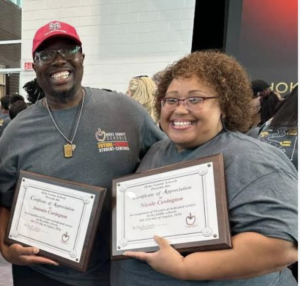
Antonio Covington occupies an important position within that system as Hoke County High School Athletic Director, helping provide leadership for the coaches and programs that represent the Fighting Bucks throughout North Carolina. His responsibilities may often happen away from the attention given to athletes on game day, but the impact of strong athletic administration can be seen whenever Hoke County students have opportunities to compete, develop, achieve and represent their community with pride. As the Fighting Bucks continue building toward the future, the athletic director will remain one of the people helping ensure that Hoke County athletics are about much more than winning games, because they are ultimately about developing students, strengthening programs and creating experiences that young people can carry with them long after their final competition.
About The Author