
Nestled in the Sand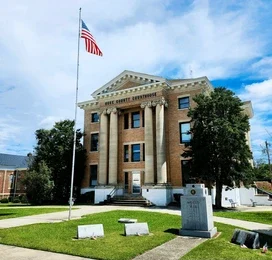 hills region of southeastern North Carolina, Hoke County is a community rich in history, resilience, and tradition. Though one of the state’s younger counties, Hoke County has built a remarkable legacy shaped by agriculture, military service, education, and the enduring spirit of its people. From its Native American roots to its modern-day growth, the county continues to preserve its heritage while embracing new opportunities.
The Birth of Hoke County
Hoke County was officially established in 1911, making it one of North Carolina’s newest counties. It was formed from portions of Cumberland and Robeson counties to better serve the growing population in the western part of the region. Before its creation, residents often traveled long distances over rough roads to conduct county business, creating a need for a more centralized local government.
The county was named in honor of General Robert Frederick Hoke, one of North Carolina’s most respected Confederate military leaders during the American Civil War. Although General Hoke never lived in the county, his military accomplishments and leadership inspired state lawmakers when selecting a name for the newly formed county.
The county seat became Raeford, a small railroad community that quickly evolved into the political, commercial, and cultural center of Hoke County.
Early Settlement and Agriculture
Long before European settlers arrived, Native American tribes inhabited the region, relying on its forests, rivers, and fertile land for hunting, fishing, and farming. The area’s natural resources made it an attractive place for settlement.
As European families established farms throughout the Sandhills, agriculture became the foundation of the local economy. Farmers cultivated crops such as cotton, tobacco, corn, and peanuts while raising livestock to support their families and local markets.
The arrival of the railroad in the late 1800s transformed the area by providing farmers with access to larger markets across North Carolina and beyond. Raeford grew into an important shipping point for agricultural products, timber, and turpentine, industries that played a significant role in the county’s early economic development.
The Influence of Fort Bragg
Perhaps no institution has influenced Hoke County more than neighboring Fort Bragg, now officially known as Fort Liberty for a period before returning to the name Fort Bragg in 2025. The military installation has long been one of the largest employers in the region and has significantly shaped the county’s economy, culture, and population.
Many Hoke County residents have proudly served in the United States Armed Forces, and military families have become an integral part of the community. Businesses, schools, healthcare providers, and local organizations have adapted to support active-duty personnel, veterans, and their families.
This close relationship has helped foster a strong sense of patriotism throughout the county.
Education and Community Growth
Education has always been a cornerstone of Hoke County’s development. Over the years, local schools have expanded to accommodate a growing population while preparing students for careers in agriculture, business, healthcare, technology, and military service.
Hoke County High School has become well known not only for academic achievement but also for its athletic programs, performing arts, and community involvement. Numerous graduates have gone on to successful careers in education, business, public service, and the military.
Community organizations, churches, and civic groups have also played an important role in strengthening neighborhoods and preserving local traditions.
A Diverse Cultural Heritage
Hoke County is known for its cultural diversity, with African American, Native American, and European American communities contributing to the county’s unique identity. Family traditions, gospel music, Southern cuisine, storytelling, and community celebrations continue to bring residents together.
Annual festivals, local sporting events, and community gatherings celebrate both the county’s history and its bright future. Local businesses and nonprofit organizations work together to support economic development while maintaining the close-knit atmosphere that makes Hoke County special.
Economic Development Today
While agriculture remains an important part of Hoke County’s economy, today’s workforce is far more diverse. Healthcare, education, manufacturing, retail, construction, logistics, and military-related industries provide employment opportunities throughout the region.
Its proximity to Fayetteville, Southern Pines, and the greater Sandhills area has attracted new residents seeking affordable housing and a family-friendly environment.
Continued investments in infrastructure, schools, and business development have positioned Hoke County for sustainable growth while maintaining its rural character.
Looking Toward the Future
As Hoke County enters its second century, it continues to balance growth with preservation. Historic landmarks, veterans’ memorials, local museums, and community events help ensure that future generations understand the sacrifices and achievements that shaped the county.
At the same time, new businesses, housing developments, and educational opportunities are creating exciting possibilities for residents and entrepreneurs alike.
The county’s greatest strength has always been its people—hardworking families, dedicated educators, military veterans, community leaders, and volunteers who continue to invest in making Hoke County a wonderful place to live, work, and raise a family.
A Legacy Worth Celebrating
Hoke County’s story is one of perseverance, service, and community pride. From its agricultural beginnings and railroad heritage to its deep military connections and modern growth, the county has continually adapted while honoring its roots.
Whether you’re a lifelong resident, a newcomer, or simply exploring North Carolina’s rich history, Hoke County offers a compelling example of how tradition and progress can thrive together. Its past serves as a foundation for its future, ensuring that the spirit of Hoke County will continue to inspire generations to come.